
Tips for Building Long-Term Success in Poker Tournaments
Succeeding in poker tournaments consistently isn’t about flashy bluffs or one-time lucky hands. It requires a solid strategy, emotional control, and disciplined decision-making. Many aspiring players enter the competitive scene chasing fast wins, but those who excel over time know it takes more than instinct — it takes a smart, patient approach. Whether you’re a rising grinder or a recreational player looking to go deep more often, these six practical tips can help you build sustainable tournament success. For those who also enjoy sports wagering as part of their entertainment mix, finding reliable offshore sportsbooks can complement your broader gaming strategies.
Master Bankroll Discipline
 Long-term poker success begins with proper bankroll management. Don’t enter tournaments that put your funds at serious risk. A common rule followed by seasoned players is not to commit more than 1–2% of your bankroll to a single tournament. This allows you to withstand variance and stay in the game even during inevitable downswings. Avoid going “all in” emotionally or financially — a solid footing gives you room to grow and adapt.
Study More Than You Play
Top tournament players spend nearly as much time studying as they do playing. Review your past hands, analyze patterns, and learn from both your wins and losses. Tools like hand replayers, tracking software, and strategy videos offer an edge if used consistently. Consider also learning from live broadcasts or final table footage — these show real pressure situations and highlight key decision points. Treat your learning seriously; it’s the biggest long-term investment you can make.
Stay Patient in Early Stages
Many players lose their shot before the tournament truly begins by taking unnecessary risks too early. In the opening stages, blinds are low relative to stack sizes, so the opportunity cost of folding marginal hands is low. Focus on playing strong hands and building an image at the table. Save the creativity for mid-to-late stages, where reads and strategic moves become more valuable.
Know Your Opponents
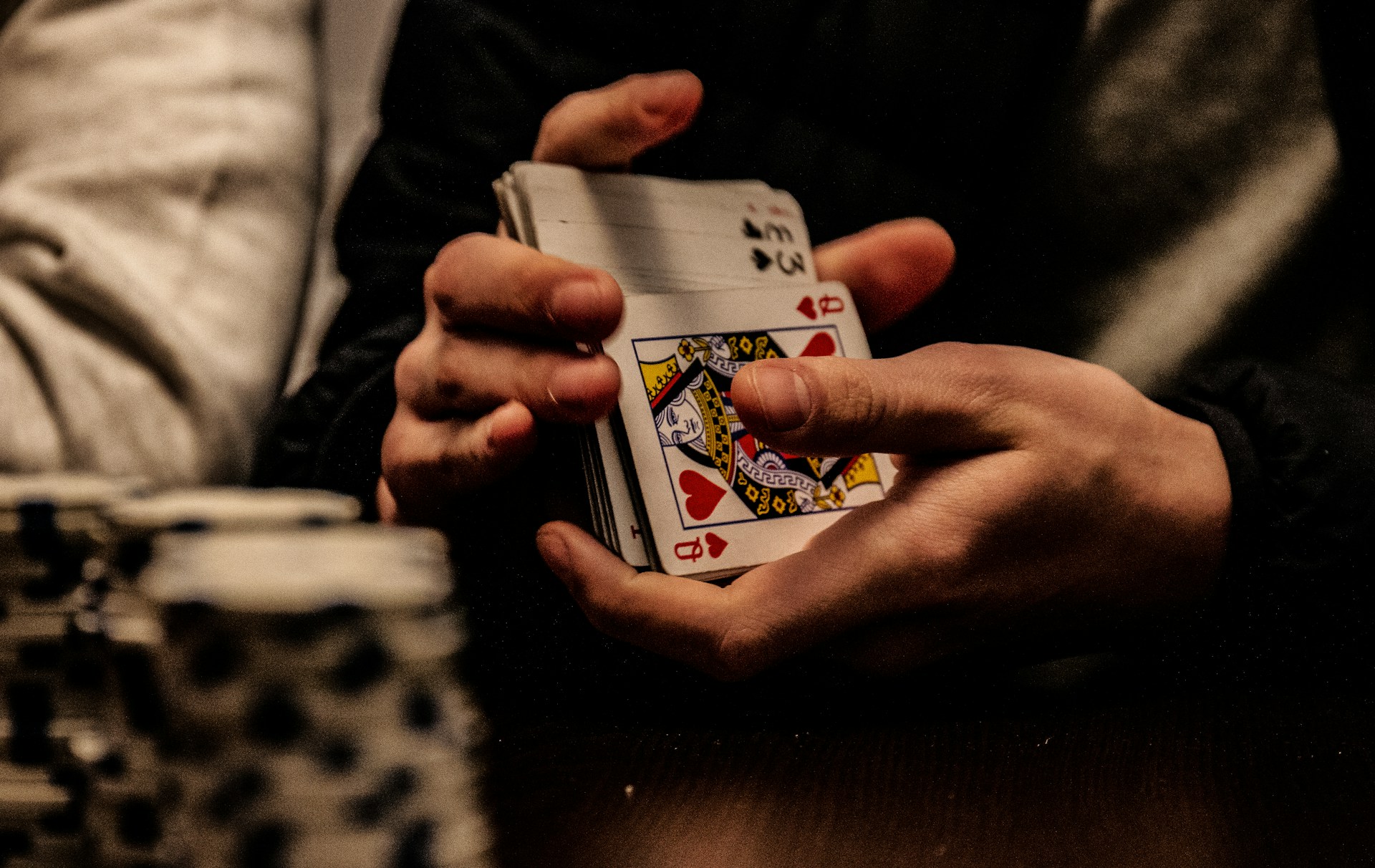
Adaptability separates good players from great ones. Pay attention to your table dynamics: who is overly aggressive, who is tight, and who is making errors you can capitalize on? Even without fancy tools, simple observations can be powerful. How someone reacts after losing a pot, their timing, and betting habits — these are all clues that, when pieced together, help you craft better strategies during gameplay.
Embrace the Mental Game
Poker is as much psychological as it is mathematical. Keeping your emotions in check during downswings, staying focused during long sessions, and resisting tilt are essential skills. Practice mindfulness techniques to stay present. Some players benefit from short walks or controlled breathing between breaks. Avoid chasing losses and focus on playing each hand with clarity and intention — regardless of past outcomes.
Understand Final Table Strategy
 Reaching the final table is an achievement — but the real rewards begin there. Know the dynamics of short-handed play, adjust for rising blinds, and be familiar with ICM (Independent Chip Model) pressure. Decisions should now take into account not just hand strength but also payout jumps and stack size relationships. Practice these scenarios in advance so you’re not caught unprepared when the pressure mounts.
Building long-term success in poker tournaments comes down to consistency, smart decision-making, and emotional resilience. From proper bankroll discipline to sharpening your mental edge and final-table strategies, every element plays a role in your overall trajectory. By developing strong fundamentals and continuously learning, you’ll not only enjoy deeper runs but also turn the game into a more rewarding long-term pursuit — both intellectually and financially.